Blog ·
Protect Your Paint: Professional Detailing Secrets for Long-Lasting Shine
Your car's paint is under constant attack. UV rays, road salt, bird droppings, tree sap, and industrial fallout work together to dull and damage your vehicle's finish. Understanding how to protect it properly makes the difference between a car that looks showroom-fresh and one that appears tired and neglected.
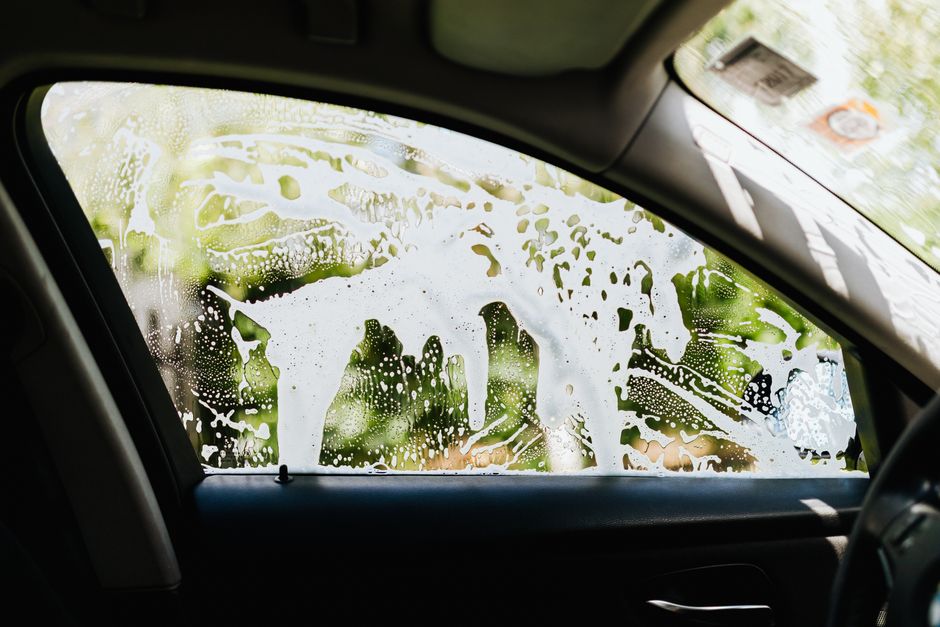
The foundation of paint protection starts with regular washing. Most car owners underestimate how often they should wash their vehicles. In harsh conditions—coastal areas with salt spray, urban environments with pollution, or regions with heavy pollen—weekly washing becomes essential. Even in milder climates, bi-weekly washing helps remove contaminants before they bond permanently to your paint.
When washing, technique matters as much as frequency. Use the two-bucket method: one bucket for your soapy water and one for rinsing your wash mitt. This prevents dragging dirt across your paint and causing micro-scratches. Always wash from top to bottom, since lower panels collect more grime and debris.
After washing comes decontamination. Regular soap removes surface dirt, but chemical fallout and brake dust require specialized attention. Clay bar treatments lift embedded particles that washing alone cannot remove. This step takes thirty to forty minutes but dramatically improves how your paint feels—running your hand over treated paint reveals a glass-smooth surface.
Once your paint is clean and decontaminated, protection becomes crucial. Wax provides a temporary shield, typically lasting four to eight weeks, while ceramic coatings offer protection lasting six months to several years. The choice depends on your climate, how often you drive, and your maintenance commitment. Both options create a water-resistant barrier that prevents contaminants from bonding directly to your clear coat.
Drying technique often gets overlooked but prevents water spots that etch into your paint. Microfiber drying towels, used with gentle pressure, lift water without dragging. Some enthusiasts use compressed air or specialized drying blowers for superior results.
Paint protection also means parking strategically. When possible, keep your car garaged. If that is not an option, seek shade and avoid parking near trees when sap or pollen is active. The brief inconvenience prevents hours of corrective work later.
Different regions require different approaches. Coastal areas need more frequent salt removal. Desert climates demand extra UV protection. High-pollen seasons require more aggressive maintenance. Identifying your specific challenges helps you create an effective maintenance schedule that keeps your paint looking pristine year-round.
The goal is not perfection—minor swirls and light scratches are part of owning a vehicle. The goal is preventing permanent damage, maintaining your paint's clarity, and preserving your car's appearance and resale value.