Blog ·
Seasonal Car Care: Preparing Your Vehicle for Every Season
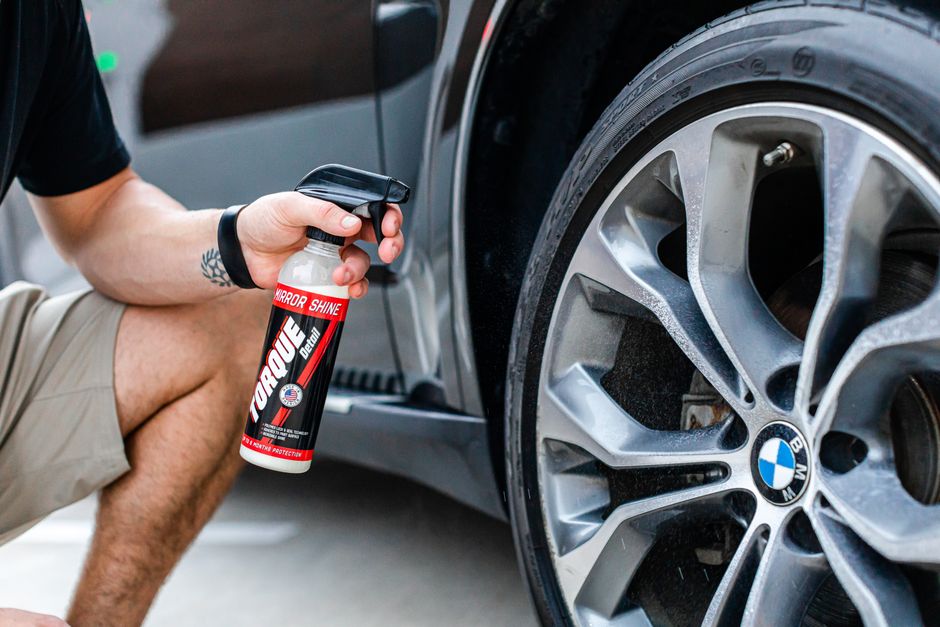
Your car faces different challenges in each season. Winter demands rust prevention and traction, spring requires pollen and humidity management, summer brings intense UV exposure, and fall means preparing for winter's arrival. Seasonal maintenance ensures your car remains reliable and protected year-round.
Spring preparation starts with undercarriage cleaning. Winter salt accumulates on your car's bottom and suspension components, accelerating corrosion. High-pressure rinsing removes accumulated salt before warm weather activates rust. Spring also brings intense pollen, requiring attention to air filters and cabin ventilation. Consider changing or cleaning your engine air filter and cabin air filter if you live in high-pollen regions.
Summer maintenance focuses on protection from UV damage and heat. Your paint, interior, trim, and rubber components all suffer from intense sun exposure. Increase washing frequency to remove contaminants that accelerate UV damage. Interior heat can warp plastic and fade fabrics—using a sunshade when parked helps significantly. Check tire pressure regularly, as heat causes pressure increases; slightly lower pressure than specification is better than slightly higher, which can cause uneven wear.
Fall preparation is critical for winter survival. Have your battery tested, as cold weather reduces output. Inspect wiper blades and replace if streaking appears. Confirm your antifreeze concentration is appropriate for your climate—this prevents both freezing and overheating. Check tire tread depth; winter traction depends on adequate grip. Have brakes inspected, since winter demands greater braking performance.
Winter requires aggressive protection. Road salt and corrosive chemicals attack your undercarriage relentlessly. Scheduled undercarriage rinsing every few weeks removes salt before it causes permanent damage. Wax application before winter provides extra paint protection. Keep your vehicle's exterior clean despite frequent exposure to salt and grime—letting salt sit accelerates corrosion.
Tire pressure drops in cold weather—check it frequently and adjust as needed. Proper pressure maintains traction and fuel efficiency. Wipers suffer in winter; keep washer fluid filled with winter formulation that does not freeze.
Throughout all seasons, maintain consistent washing schedules and interior vacuuming. Establish a rotation between seasons: spring for thorough cleaning, summer for UV protection focus, fall for mechanical preparation, and winter for corrosion prevention.
Seasonal maintenance might seem excessive, but the cost of prevention is far lower than rust repair, paint correction, or interior restoration. Your vehicle operates reliably and maintains its appearance when you align maintenance with seasonal demands.
Understanding these seasonal needs transforms you from reactive repairs into proactive protection.